Unit 8 · Nightmare

Layer I

Graphic Novel

Five acts. Five families. One dream that keeps cracking. Read top to bottom like a comic.

Act One

The Fog Comes In
Illustrated scene for Eugene O'Neill

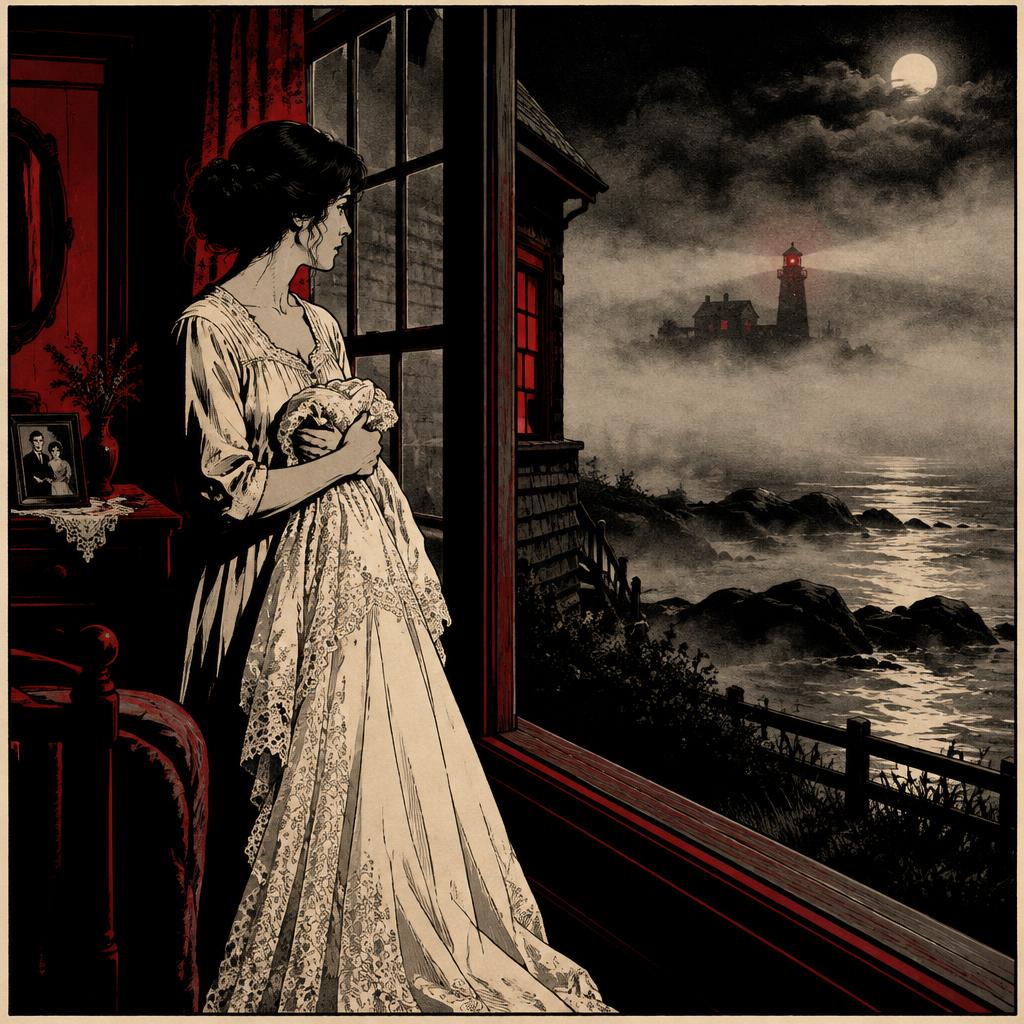
Connecticut, August 1912. A summer house, a foghorn, a family that cannot stop remembering.

Mary Tyrone clutches her wedding gown. The past isn't past — it's in the next room.

“The past is the present, isn't it? It's the future, too.” — Long Day's Journey into Night

Eugene O'Neill · 1888–1953

O'Neill drags Greek tragedy into the American living room: fate becomes addiction, inheritance, and shame.
Act Two

A Paper Lantern

Illustrated scene for Tennessee Williams

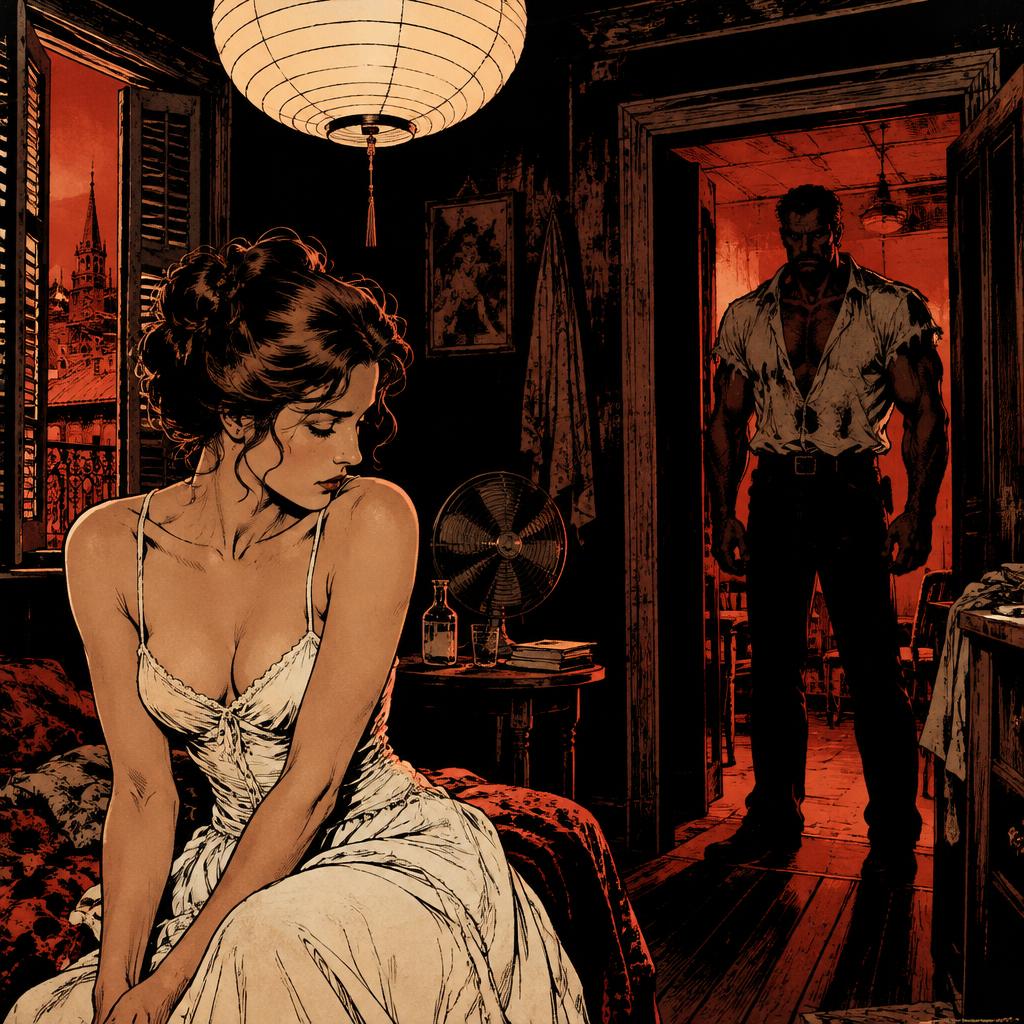
New Orleans, 1947. Blanche DuBois arrives with a trunk of illusions and a lantern to soften the light.

Stanley Kowalski fills the doorway — the new America, brutal and indifferent to old Southern dreams.

“I don't want realism. I want magic!” — A Streetcar Named Desire

Tennessee Williams · 1911–1983

Williams' 'plastic theatre' makes memory, desire, and fragility visible — and shows what America crushes.

Act Three

Two Suitcases

Illustrated scene for Arthur Miller

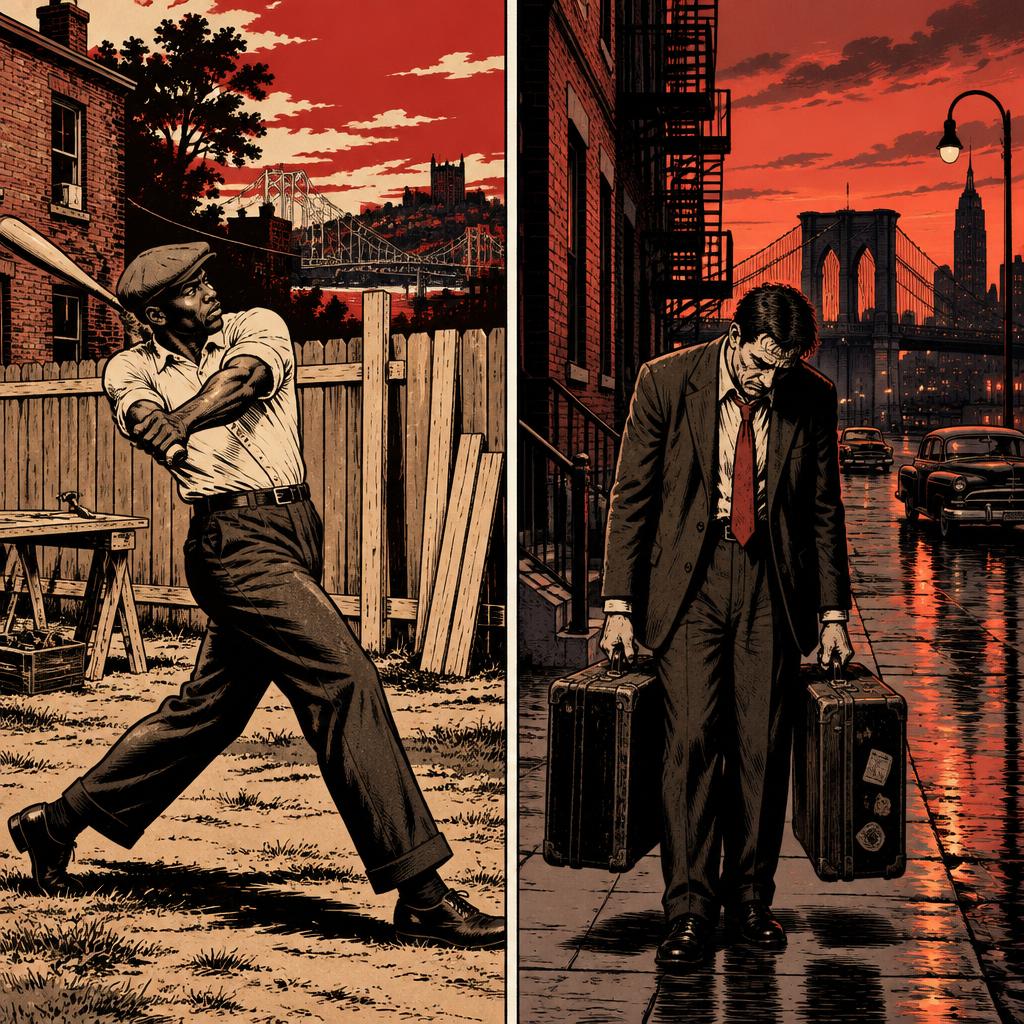
Brooklyn, 1949. Willy Loman comes home early — too tired to drive, too proud to stop selling.

He believed being 'well liked' was the dream. The mortgage is nearly paid; the man is nearly gone.

“Attention, attention must be finally paid to such a person.” — Death of a Salesman

Arthur Miller · 1915–2005

Miller argues the common man is fit for tragedy — and that capitalism's promises can kill him.

Act Four

The Plant in the Window

Illustrated scene for Lorraine Hansberry

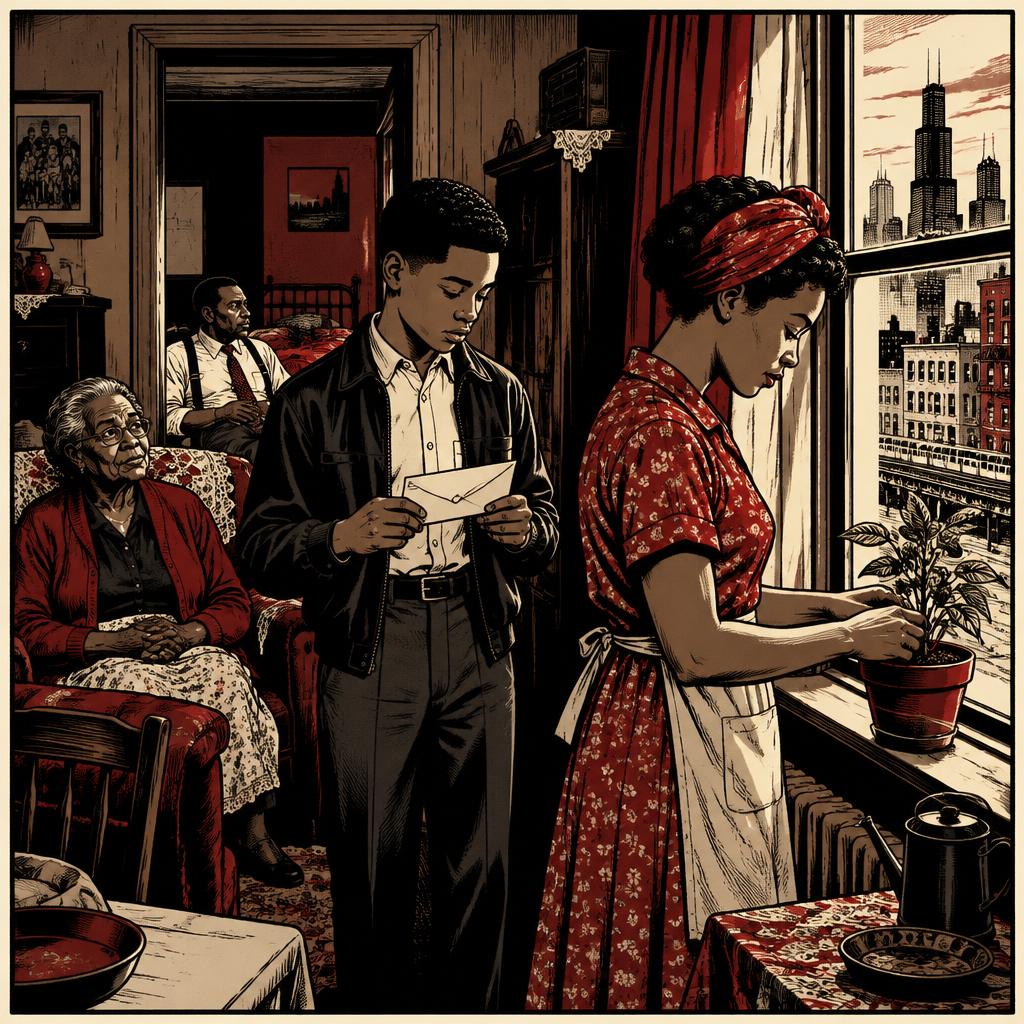
Chicago's South Side, 1950s. Three generations share two rooms and one $10,000 insurance check.

Mama waters her plant. Walter Lee dreams of a liquor store. Beneatha dreams of medicine. Whose dream wins?

“What happens to a dream deferred?” — Langston Hughes, the epigraph of A Raisin in the Sun

Lorraine Hansberry · 1930–1965

Hansberry puts a Black family's fight for housing and dignity at the center of the American Dream — and on Broadway.

Act Five

The Fence

Illustrated scene for August Wilson

Pittsburgh's Hill District, 1957. Troy Maxson swings at Death like a fastball.

He was too early for the major leagues. Now he builds a fence — to keep things out, or to keep them in.

“You've got to take the crooked with the straights.” — Fences

August Wilson · 1945–2005

Wilson's ten-play Century Cycle chronicles Black American life decade by decade through the twentieth century.